
Passive House Windows for Philadelphia, South Jersey and Delaware
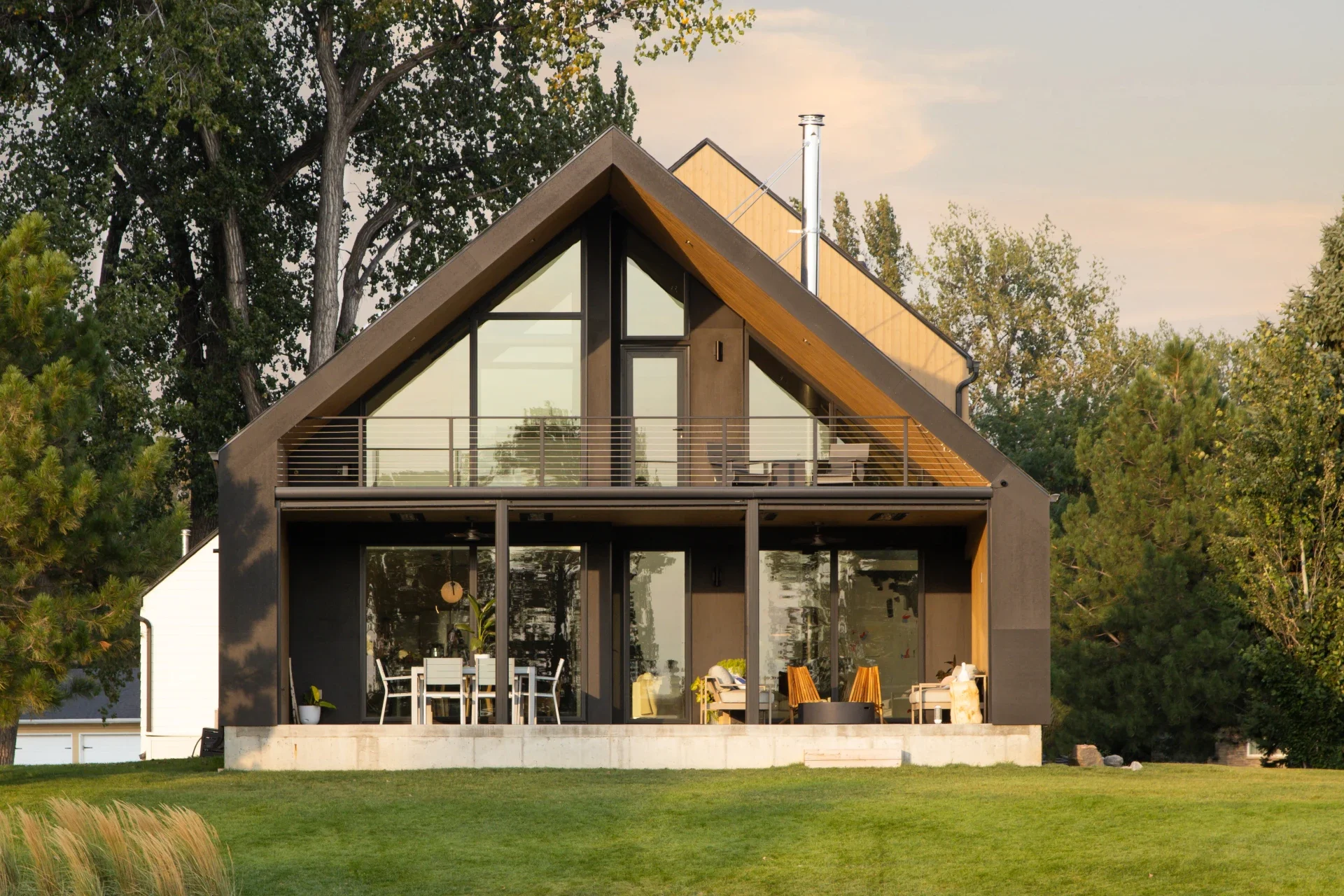
The region's only local distributor of PHIUS Blue Path and PHI dual-certified fiberglass windows. We serve architects, builders, and developers across Greater Philadelphia, the Main Line, South Jersey, and Delaware.
The Philadelphia Region Is Building Passive Houses. The Windows Have to Keep Up
Passive House construction is growing across Greater Philadelphia and the surrounding region. In the city itself, Green Building United's Passive House Community has documented completed passive rowhouse projects in South Philadelphia, Fishtown, Northern Liberties, and Francisville. PHIUS has certified Passive House projects in South Jersey. High-performance builders serving the Main Line, Montgomery County, and Delaware are increasingly specifying Passive House or near-Passive House standards on custom residential and boutique commercial projects. The momentum is real, and it is regional.
Windows are one of the most critical and most difficult components of any Passive House project. They need to achieve whole-window U-factors well below standard code requirements, maintain airtight seals across the full perimeter of every opening, and carry independent third-party certification that can be verified in a PHPP energy model. Most windows available through general building supply distributors across the Philadelphia region do not come close to meeting these requirements. Sourcing certified Passive House windows has historically meant working with out-of-market manufacturers with no local service and no local support.
Pennsylvania's energy code transition moved to a U-0.30 whole-window standard as of July 1, 2026. In New Jersey and Delaware, equivalent IECC-based performance requirements are also in effect. Passive House windows do not just meet these thresholds. They exceed them by a significant margin, giving architects and energy modelers the thermal flexibility to design more glass into a building without compromising the energy model.
Meridian Envelope Solutions is the region's only dedicated local distributor for PHIUS Blue Path and PHI Passive House Institute dual-certified fiberglass windows. We serve projects across Philadelphia, the Main Line, Montgomery County, Bucks County, Delaware County, Chester County, South Jersey, and Delaware. Every order comes with local specification support, a 48-hour quote turnaround, and complete permit documentation included at no additional cost.
Whether you are an architect designing a Passive House rowhouse in Fishtown, a custom home builder completing a high-performance project in Wayne or Villanova, a developer specifying a Passive House multifamily building in Cherry Hill or Haddonfield, or a builder working on a sustainable custom home in Wilmington or Greenville, Delaware, Meridian has the product, the certifications, and the documentation to keep your project on schedule and on spec.
What Is a Passive House Window?
Passive House is a building performance standard, not an architectural style. A building can look like a traditional Philadelphia rowhouse, a Main Line colonial, a South Jersey suburban home, or a contemporary Delaware custom build and still meet Passive House standards. What matters is how the building performs. Windows play a central role in five specific performance areas.
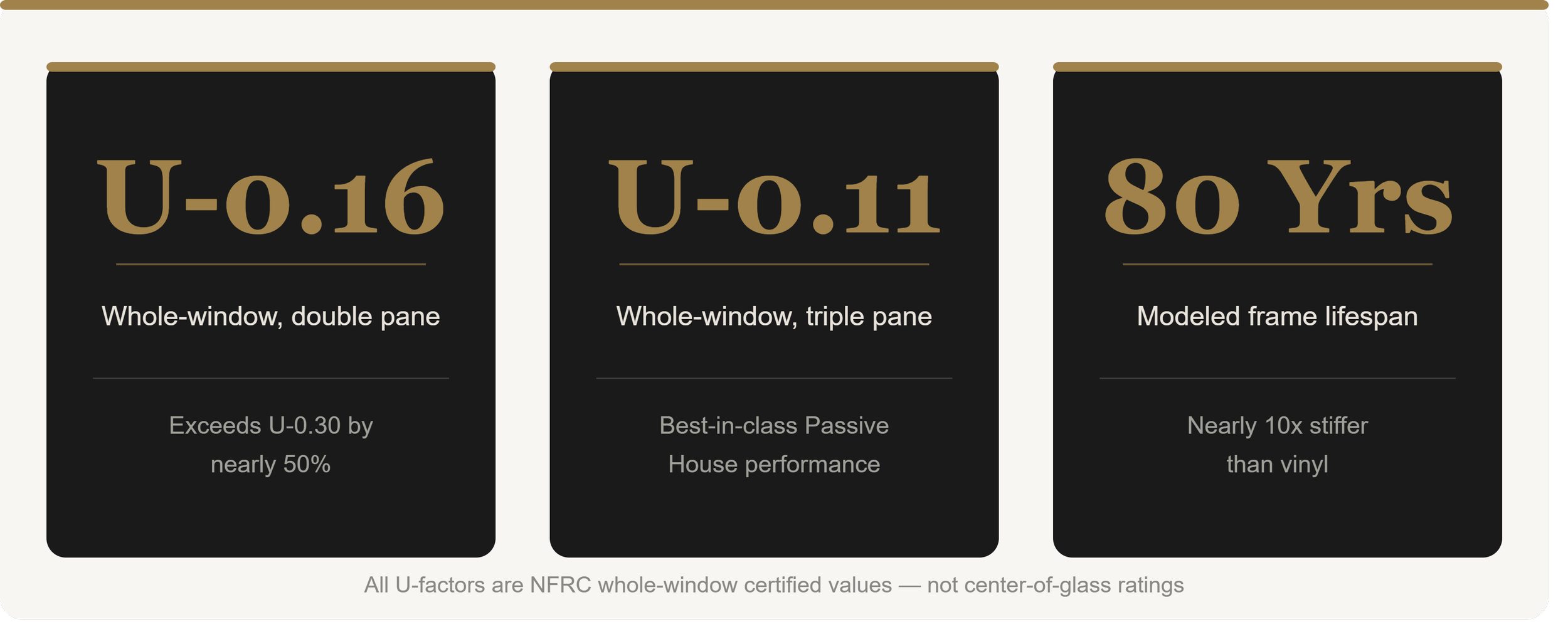
Thermal insulation A Passive House window must achieve a whole-window U-factor well below standard code requirements. In most configurations, PHIUS and PHI certified windows target U-0.20 or better, with the highest-performing systems reaching U-0.11. Pennsylvania, New Jersey, and Delaware all require U-0.30 or better on permitted projects, and Passive House windows exceed this by a meaningful margin.
Airtightness Passive House windows must compress on all four sides of the frame when closed, achieving near-zero air infiltration. This is why casement, awning, and tilt-turn configurations are preferred over double-hung windows in strict Passive House applications. They seal more completely and maintain that seal across the full lifecycle of the window.
Solar heat gain The Philadelphia region sits in Climate Zone 4A, a mixed-humid climate with cold winters and hot, humid summers. Careful management of solar heat gain is critical: maximizing passive solar gain on south-facing windows in winter while controlling overheating in summer. Passive House windows specify solar heat gain separately for each orientation, which is why proper energy modeling and orientation-specific glazing selection matter on every project.
Acoustic performance High-performance glazing packages that meet Passive House thermal standards also deliver significant acoustic insulation. This is a meaningful benefit for urban Philadelphia rowhouses adjacent to busy streets, South Jersey suburban homes near highways, and Delaware projects in noise-sensitive environments.
Condensation resistance Passive House windows maintain warm interior glass surface temperatures even during Philadelphia region winters, virtually eliminating condensation on the glass and at the frame. Condensation on standard windows in tight, well-insulated buildings is a common problem across the entire region, and Passive House certified products address it at the source.
PHIUS Certified vs. PHI Certified — What the Dual Certification Means for Your Project
There are two independent Passive House certification bodies whose standards are recognized across Pennsylvania, New Jersey, and Delaware. PHIUS, the Passive House Institute US, is the North American standard adapted for the climate diversity of the US and Canadian market, including the Philadelphia region's Climate Zone 4A. PHI, the Passive House Institute founded in Germany, is the original European standard now applied globally. Both are rigorous, independent, and technically demanding. They use different energy modeling tools — PHPP for PHI and WUFI Passive for PHIUS — and apply different performance thresholds calibrated to their respective methodologies
Most Passive House certified windows in the North American market carry either PHIUS certification or PHI certification, not both. Achieving dual certification requires meeting the performance criteria of both standards simultaneously, which demands a higher level of engineering precision and independent testing from two separate certification bodies. The additional cost and complexity means most manufacturers choose one standard and commit to it.
Architects and Passive House consultants working across Philadelphia, South Jersey, and Delaware work with both certification paths. Some projects target PHIUS certification, particularly those working with North American energy models and local consultants familiar with the WUFI Passive modeling environment. Others target PHI certification, particularly architects with European training, international clients, or projects seeking global recognition. When you specify a product that carries only one certification, you limit its applicability across the market. A dual-certified product works on any Passive House project in Philadelphia, South Jersey, Delaware, or anywhere else in the Northeast, regardless of which standard the project is pursuing.
The Cascadia Universal Series carries both PHIUS Blue Path certification and PHI Passive House Institute certification, making it the only dual-certified fiberglass window available through a local distributor serving the Greater Philadelphia region. For an architect or Passive House consultant working anywhere from Bucks County to Burlington County to New Castle County, this means one product, one local source, and one conversation, regardless of which certification path the project is on.
Passive House Windows for Every Project Type Across the Region
Philadelphia — Passive House Rowhouse Renovation
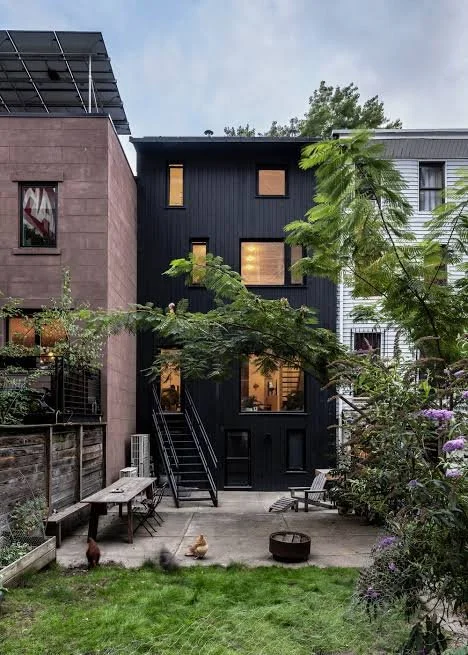
With over 333,000 rowhouses in Philadelphia, the city has one of the most significant Passive House retrofit opportunities in the Northeast. Completed projects in South Philadelphia, Fishtown, Northern Liberties, and Francisville have demonstrated that Passive House performance is achievable in the rowhouse typology, even in historic districts. Cascadia Universal Series windows, available with simulated divided lites for traditional aesthetics, are the product that makes Passive House and historic preservation compatible in Philadelphia's most character-defining neighborhoods.
Main Line and Philadelphia Suburbs — Custom High-Performance New Construction
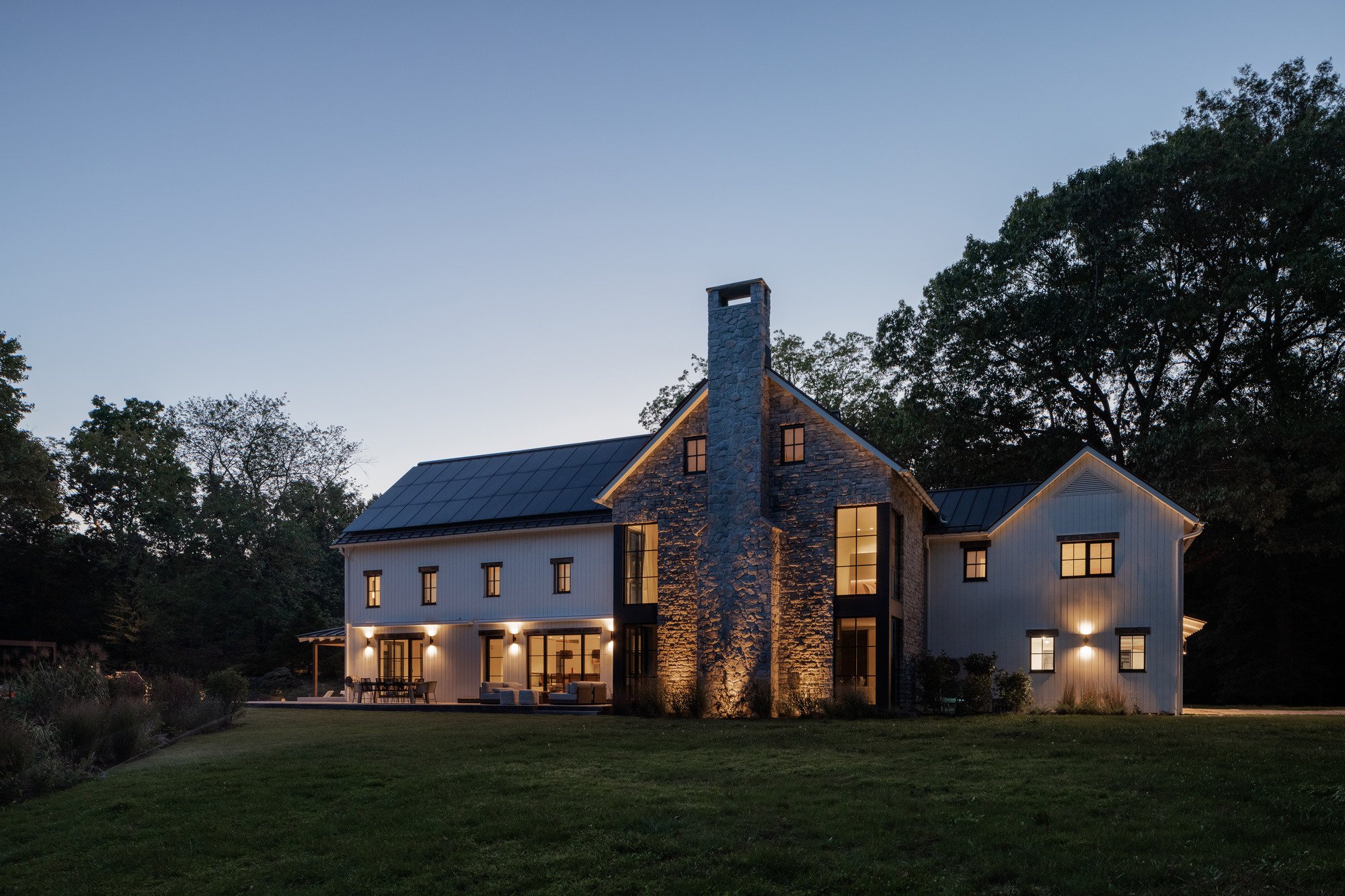
Custom home builders working in Wayne, Villanova, Haverford, Bryn Mawr, Malvern, and Newtown Square are increasingly specifying Passive House or near-Passive House performance as a baseline for high-end residential new construction. The Cascadia Universal Series gives these projects the thermal performance, dual certification, and sustainability credentials that distinguish a genuinely high-performance home from one that merely claims energy efficiency. Meridian serves projects across Montgomery County, Delaware County, Chester County, and Bucks County with the same 48-hour quote turnaround and permit-ready documentation as city projects.
South Jersey — Passive House New Construction and Renovation
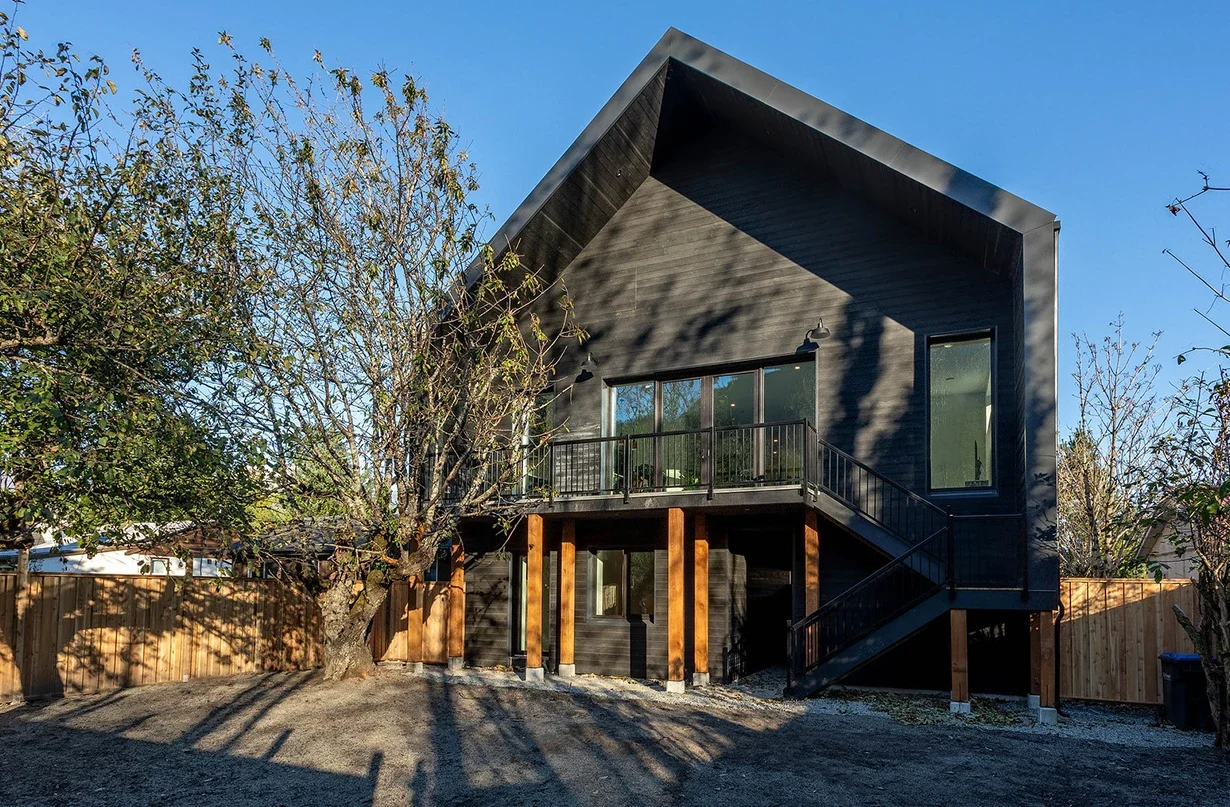
PHIUS has certified Passive House projects in South Jersey, confirming that the regional Passive House community extends well beyond the city limits. Architects and builders working in Cherry Hill, Haddonfield, Moorestown, Medford, and Marlton have access to the same dual-certified Passive House windows as their Philadelphia counterparts. Meridian serves the full South Jersey market with no minimum order and no freight management required on the customer's end. Every South Jersey order ships with the same complete NFRC permit documentation package as every other project we supply.
Historic Districts Across All Markets
Philadelphia's historic rowhouses are not the only buildings in the region requiring both preservation approval and high-performance fenestration. The Main Line's historic stone homes, South Jersey's Victorian-era residential stock, and Delaware's historic districts in Wilmington and New Castle all present the same challenge: satisfying a historic review board while hitting modern energy performance targets. Cascadia's simulated divided lite program, available in 1-inch, 2.5-inch, and 4-inch widths, makes this possible across every historic district in the region.
Boutique Multifamily in Philadelphia and South Jersey
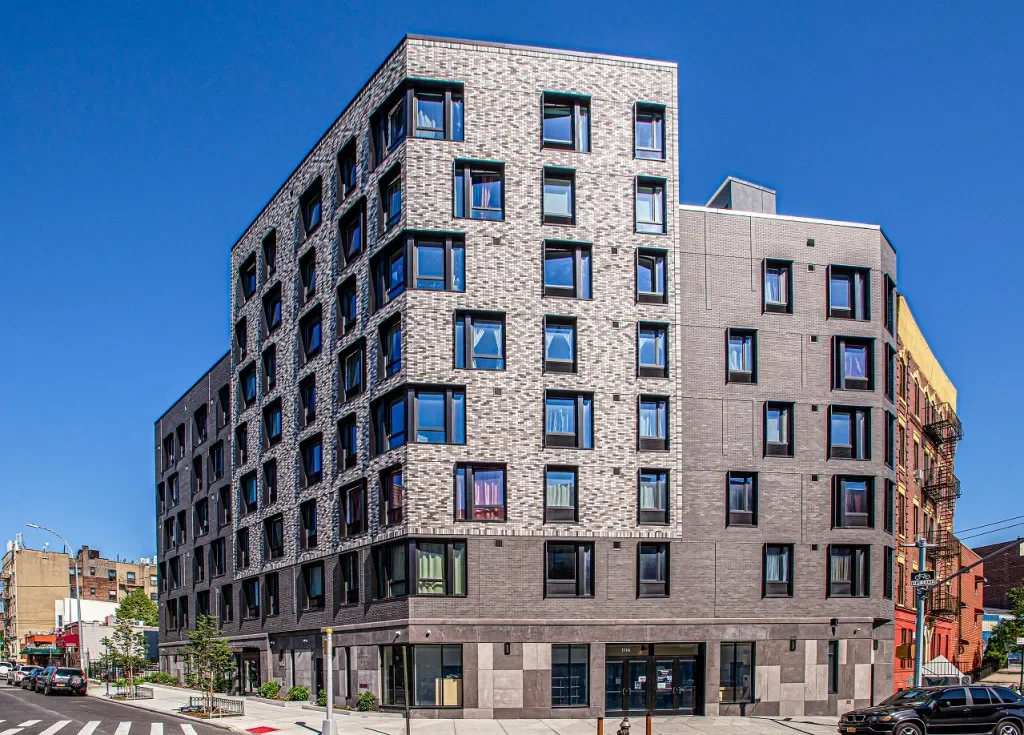
Boutique developers building 4 to 20 unit residential buildings in Philadelphia neighborhoods and across South Jersey's growing urban centers are beginning to specify Passive House performance as a market differentiator. Lower energy bills, healthier indoor air quality, and quieter units are real selling points in a competitive rental market. The Cascadia Universal Series window wall and storefront configurations support the full envelope of a multifamily building. Meridian supplies boutique multifamily projects across the full regional market, from Francisville and Point Breeze in Philadelphia to Camden and Haddon Township in South Jersey.
Meeting Energy Code in Pennsylvania, New Jersey, and Delaware
Energy code requirements for fenestration vary across Pennsylvania, New Jersey, and Delaware, but all three states have moved toward tighter performance standards in recent code cycles. Understanding which code applies to your project and what U-factor your windows must achieve is the first step in any specification review.
Regional Code Table:
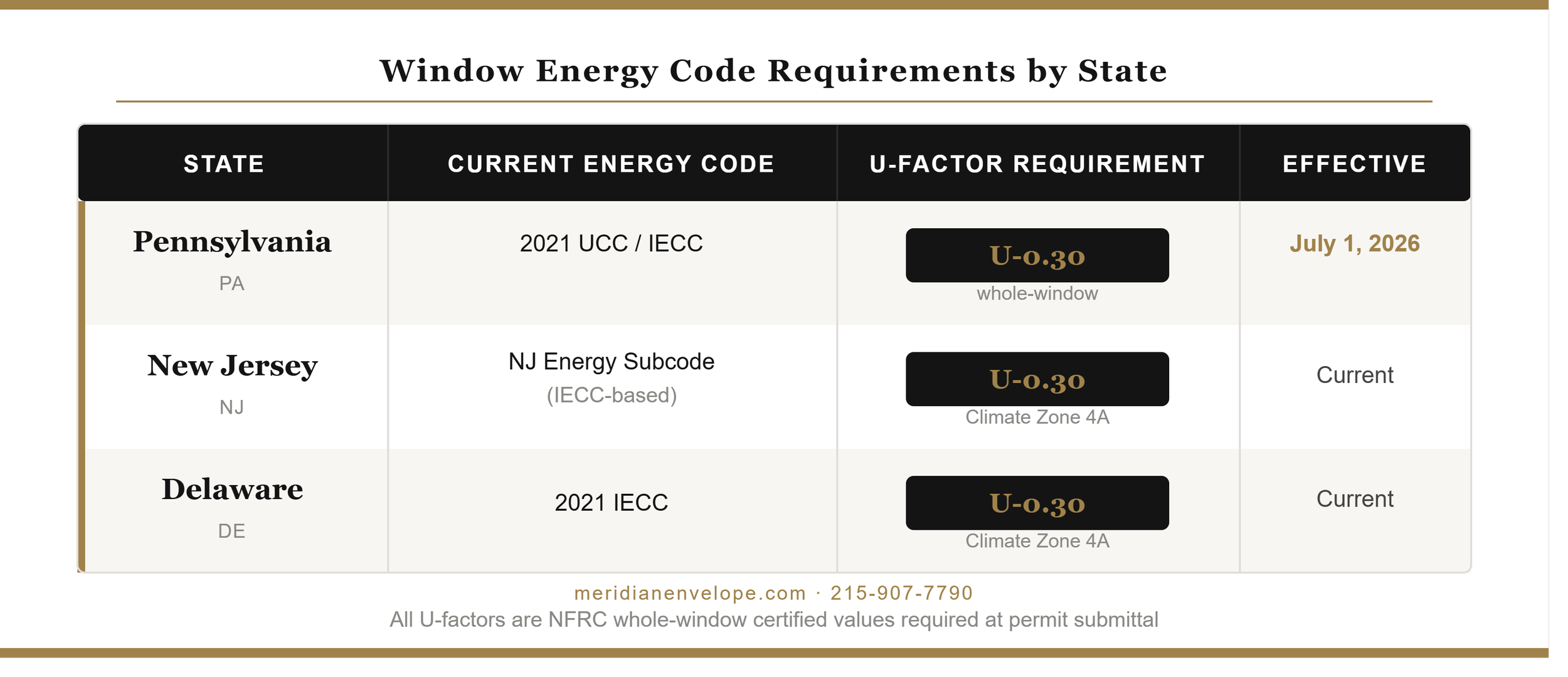
In all three states, U-0.30 is the minimum threshold. It is the worst-performing window that can legally be installed on a new or substantially renovated building. Passive House windows do not approach this threshold from below. They exceed it by a significant margin. The Cascadia Universal Series achieves U-0.16 in standard double-pane configuration, nearly 50 percent better than the code requirement across all three states in Meridian's service area.
An architect or builder who specifies windows at exactly U-0.30 has no thermal margin in their energy model. Any increase in glazing area, any window added to a design, or any change in orientation pushes the model closer to non-compliance. Specifying a product at U-0.16 gives the energy model approximately 50 percent more thermal margin, meaning architects can use more glass, adjust window placement, and make design decisions without immediately triggering a compliance failure. Across Pennsylvania, New Jersey, and Delaware, this thermal margin is the practical reason to specify Passive House windows even on projects that are not pursuing Passive House certification.
All three states require NFRC whole-window certified values at plan review. Manufacturer estimates and center-of-glass ratings are not sufficient for permit. Every Cascadia Universal Series window ships with a complete NFRC documentation package that satisfies permit requirements in Pennsylvania, New Jersey, and Delaware without additional paperwork or follow-up. Meridian assembles this package as part of every order.
Cascadia Universal Series — Available Across the Region
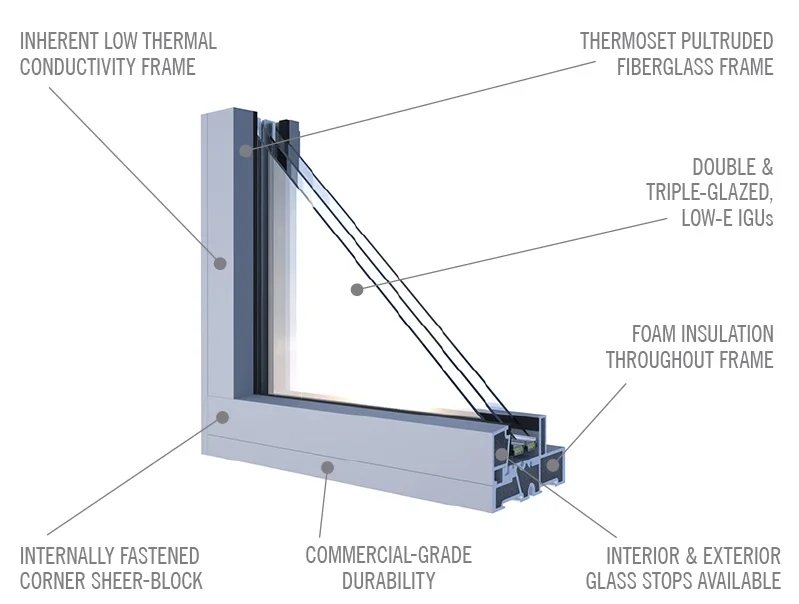
The Cascadia Universal Series is the only PHIUS Blue Path and PHI dual-certified fiberglass window available through a local distributor serving Greater Philadelphia, South Jersey, and Delaware. It is built to commercial-grade standards and available in configurations that serve rowhouse renovations, Main Line custom homes, South Jersey new construction, and boutique multifamily projects across the entire region.
Available Configurations:
Fixed / Picture
Casement (preferred for Passive House airtightness)
Awning
Tilt and Turn (PHIUS and PHI certified configurations available)
Hopper
Coupled / Strip Windows
Window Wall
Storefront
SDL Note: Simulated divided lites are available in 1-inch, 2.5-inch, and 4-inch widths for projects requiring traditional divided lite aesthetics. Applicable to Philadelphia historic districts, Main Line historic review boards, South Jersey Victorian-era renovations, and Delaware historic district projects.
The Passive House Community Across the Philadelphia Region
The Philadelphia region has one of the most active Passive House communities in the Northeast. Vision Architecture in Philadelphia specializes in Passive House design and consulting, with completed projects ranging from Philadelphia rowhouses to developer-driven Passive House buildings and multi-family housing in historic districts. Solo Real Estate and Bright Common Architecture completed Passive George, a Passive House multifamily development in Francisville, demonstrating that market-rate Passive House development is viable in Philadelphia's growing neighborhoods.
Green Building United's Passive House Community serves practitioners across the Philadelphia region including South Jersey and Delaware. They published a dedicated Passive Rowhouse Manual providing guidance for rowhouse renovation to Passive House standards, and they have organized construction tours of completed passive buildings in South Philadelphia and Northern Liberties. Passive House Pennsylvania, a chapter of The Passive House Network, connects architects, builders, engineers, and consultants working across the state and surrounding region, including South Jersey and Delaware practitioners who participate in the regional community.
For architects and builders new to Passive House specification in this region, these resources provide the design guidance, energy modeling support, and certification coordination needed to execute a successful project. For those who are ready to specify windows, Meridian is the local source for the only dual-certified fiberglass window available anywhere in Greater Philadelphia, South Jersey, or Delaware.
Passive House Window Questions — Answered
-
A Passive House certified window has been independently tested and verified by PHIUS or the Passive House Institute to meet specific whole-window U-factor, solar heat gain, and airtightness performance thresholds. The certification is product-specific. It applies to a specific window in a specific configuration with a specific glazing package, not to a manufacturer's product line in general. This is why NFRC whole-window values on a Passive House certified window are more reliable than standard manufacturer performance claims.
-
PHIUS is the North American Passive House standard adapted for US climate diversity, including Climate Zone 4A covering Greater Philadelphia, South Jersey, and Delaware. PHI is the original European Passive House Institute standard applied globally. Both are rigorous and independently verified. Most windows carry one or the other. The Cascadia Universal Series carries both, making it applicable to any project in the region regardless of which certification path it is pursuing.
-
Passive House is a performance standard that applies to any building type in any location. Rowhouses, suburban single-family homes, multifamily buildings, and commercial projects all qualify. PHIUS has certified Passive House projects in South Jersey, and high-performance builders across the Main Line, Montgomery County, and Delaware regularly pursue Passive House or near-Passive House standards. The same Cascadia Universal Series windows that work in a Philadelphia rowhouse work equally well in a Cherry Hill new build or a Wilmington custom home.
-
Yes, and they exceed it significantly. New Jersey and Delaware both require U-0.30 whole-window performance in Climate Zone 4A. The Cascadia Universal Series achieves U-0.16 in standard double-pane configuration, exceeding the requirement in both states by nearly 50 percent. Every order ships with NFRC documentation that satisfies permit requirements in Pennsylvania, New Jersey, and Delaware.
-
Yes. Historic review requirements vary by municipality. Philadelphia Historical Commission, Main Line township historic boards, and local South Jersey preservation authorities all have different processes, but they generally evaluate profile, sightline, and material. Cascadia's simulated divided lite program allows the Universal Series to replicate traditional divided-lite appearances that satisfy most historic review standards. We recommend discussing your specific project with both your Passive House consultant and a preservation architect before specifying.
-
Cascadia Universal Series windows typically deliver within 4 to 8 weeks depending on configuration and scope. Meridian coordinates delivery directly to your job site anywhere in Greater Philadelphia, South Jersey, or Delaware, with no freight management required on your end.
-
Meridian serves Greater Philadelphia including all city neighborhoods, the Pennsylvania suburbs including the Main Line, Montgomery County, Bucks County, Delaware County, and Chester County, South Jersey including Camden, Burlington, Gloucester, Atlantic, and Ocean Counties, Delaware including New Castle, Kent, and Sussex Counties, and the broader Northeast. Reach out and we will confirm coverage for your specific project location.
Specify Passive House Windows for Your Project — Anywhere in the Region
Whether your project is in Philadelphia, on the Main Line, in South Jersey, or in Delaware, Meridian provides the product, the dual certifications, and the permit-ready documentation your project needs. One local source, serving the entire Greater Philadelphia region.